


WTO
WTO441 - 460 of 944 results
-
-

World Trade Report
More LessThe "World Trade Report" is an annual publication that aims to deepen understanding about trends in trade, trade policy issues and the multilateral trading system.
-
-
-
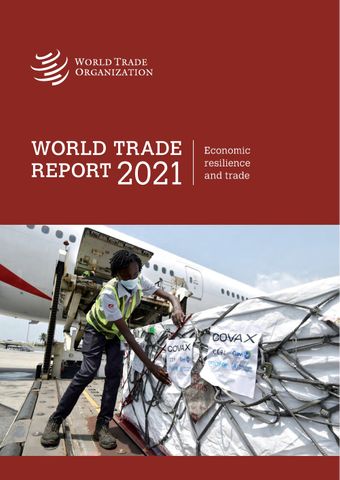
World Trade Report 2021
Economic resilience and trade
More LessThe COVID-19 pandemic and the prospect of increasingly frequent and more intense natural and man-made disasters raise important questions about the resilience of the global economy to such shocks. The World Trade Report 2021 explores the basic, binary assumption driving much of the current debate about economic resilience, namely the inherent trade-off between global trade interdependence and national economic security, and suggests that this can be a false dilemma. Due to its interconnected nature, international trade can increase an economy’s exposure to risks and contribute to the transmission of shockwaves. At the same time, it can bolster economic resilience, particularly when backed by domestic policies and effective global cooperation. As a driver of economic growth, trade can generate the resources and knowledge needed to prepare for crises. It can also help countries recover by facilitating the provision of goods and services needed to cope with a crisis. Policies aimed at increasing economic resilience by re-shoring production and unwinding trade integration ultimately reduce economic resilience. Conversely, trade diversification can contribute to economic resilience by allowing countries to be less dependent on a limited number of importers, exporters and sectors. The World Trade Report 2021 shows that a more open, inclusive and predictable trade environment is needed to promote diversification and contribute to economic resilience. The WTO already plays a key role in making economies more resilient by promoting lower trade barriers and greater transparency in trade policies. Further international cooperation at the WTO can strengthen the mutual supportiveness of trade openness and economic resilience so that the world is better prepared to deal with future crises.
-
-
-
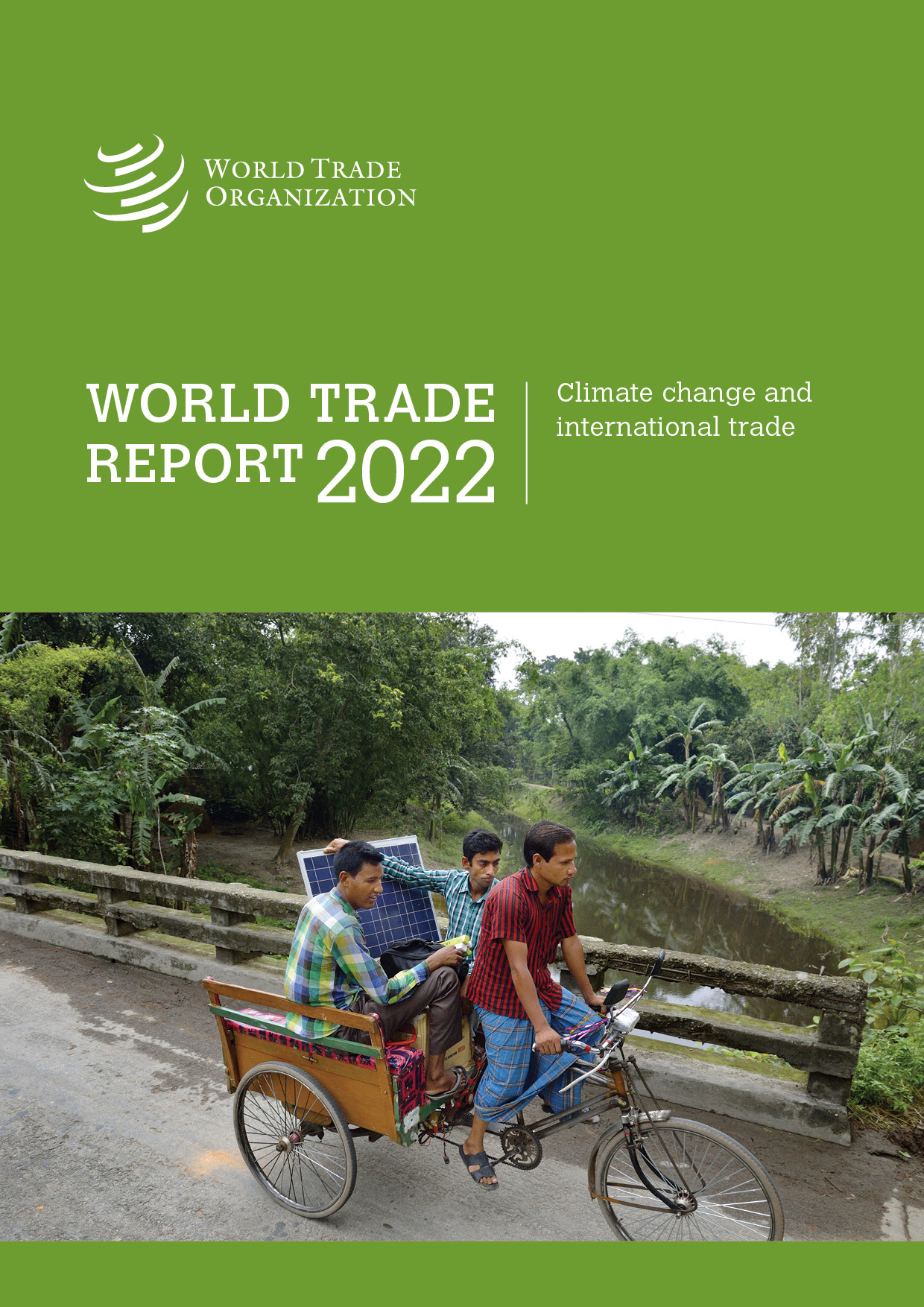
World Trade Report 2022
Climate change and international trade
More LessClimate change is having a profound impact on people’s lives across the world. Mitigating and adapting to climate change will require major economic investment and coordinated action to transition to a sustainable, low-carbon economy. The World Trade Report 2022 explores the complex interlinkages between climate change, international trade, and climate and trade policies. Although international trade generates greenhouse gas emissions which contribute to climate-related natural disasters, it can also play an essential role in helping countries reduce emissions by increasing the availability and affordability of environmental goods, services and technologies. International trade can also play a key role in helping countries adapt to the impacts of climate change and build future resilience. The World Trade Report 2022 shows how international trade and trade rules can contribute to addressing climate change. Ensuring trade and climate change policies are mutually supportive requires global coordination and transparency about government measures. The WTO already plays an important role in helping countries tackle climate change by maintaining a predictable trading environment underpinned by WTO rules that allow for international trade in critical goods and services needed to cope with the consequences of climate change and to reduce emissions. Further international cooperation at the WTO could strengthen the mutual supportiveness of trade and climate change policies so that the world is better equipped to transition to a low-carbon economy.
-
-
-
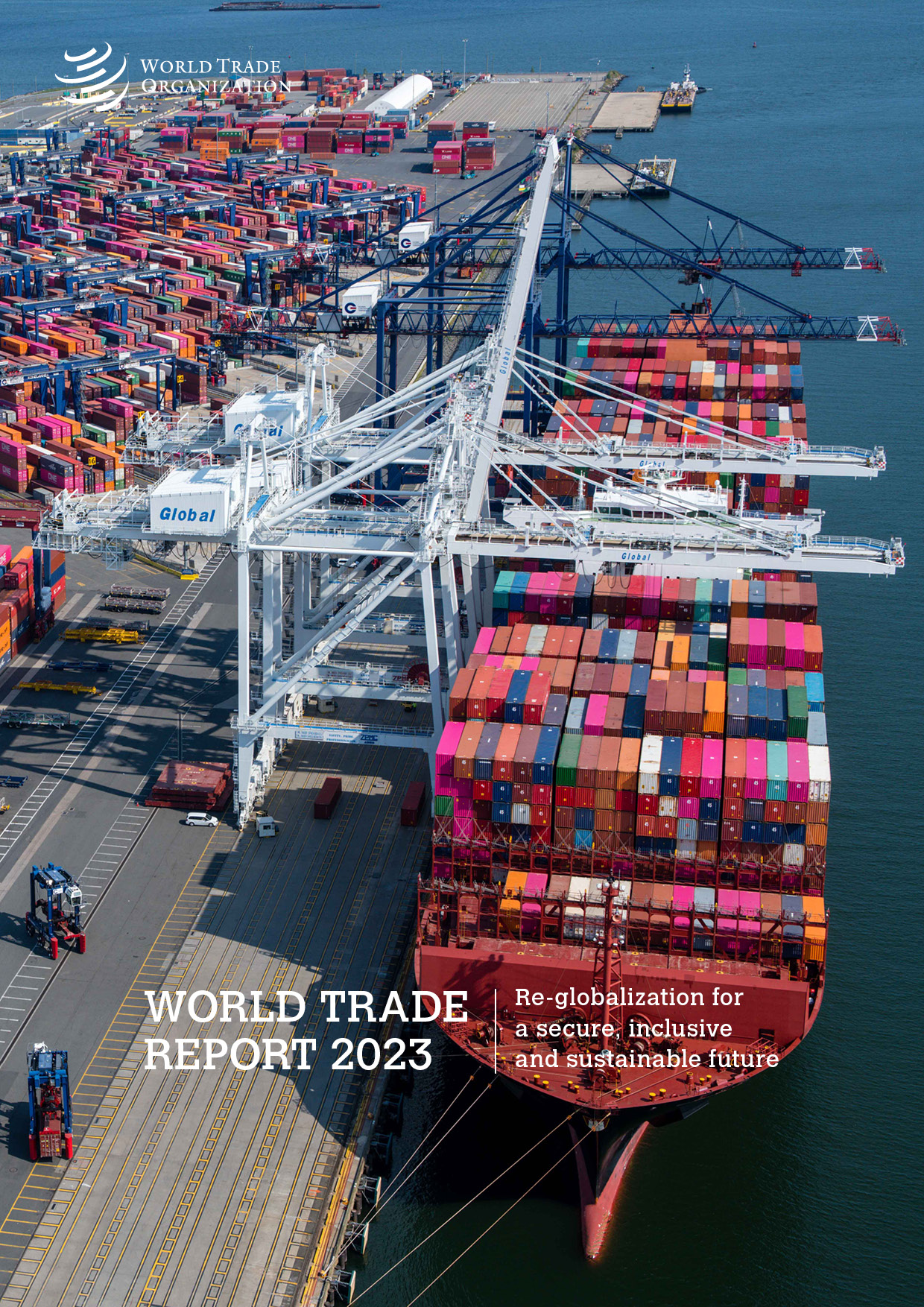
World Trade Report 2023
More LessThe establishment of the multilateral trading system over seven decades ago was based on the understanding that interdependence and cooperation contribute to peace and shared prosperity. More recently, however, new challenges, such as geopolitical tensions, rising inequalities and climate change, have led to fears that globalization exposes countries to excessive risks. Such fears have increased pressures to unwind trading relationships and turn to unilateral policies through a process of fragmentation. This year’s World Trade Report examines the benefits of integration into world trade as well as the risks of fragmentation. It shows that trade has proved to be a source of security and peace, a driver of poverty reduction, and a critical tool for addressing climate change. The Report argues that, to make our economies more secure, inclusive and sustainable, re-globalization – or integrating more people, economies and pressing issues into global trade and strengthening multilateral cooperation – is a much more effective solution to global challenges than fragmentation. Global problems need global solutions, meaning that today’s world needs more cooperation, not less. A reinvigorated multilateral trading system overseen by the WTO has an important role to play in this process.
-
-
-
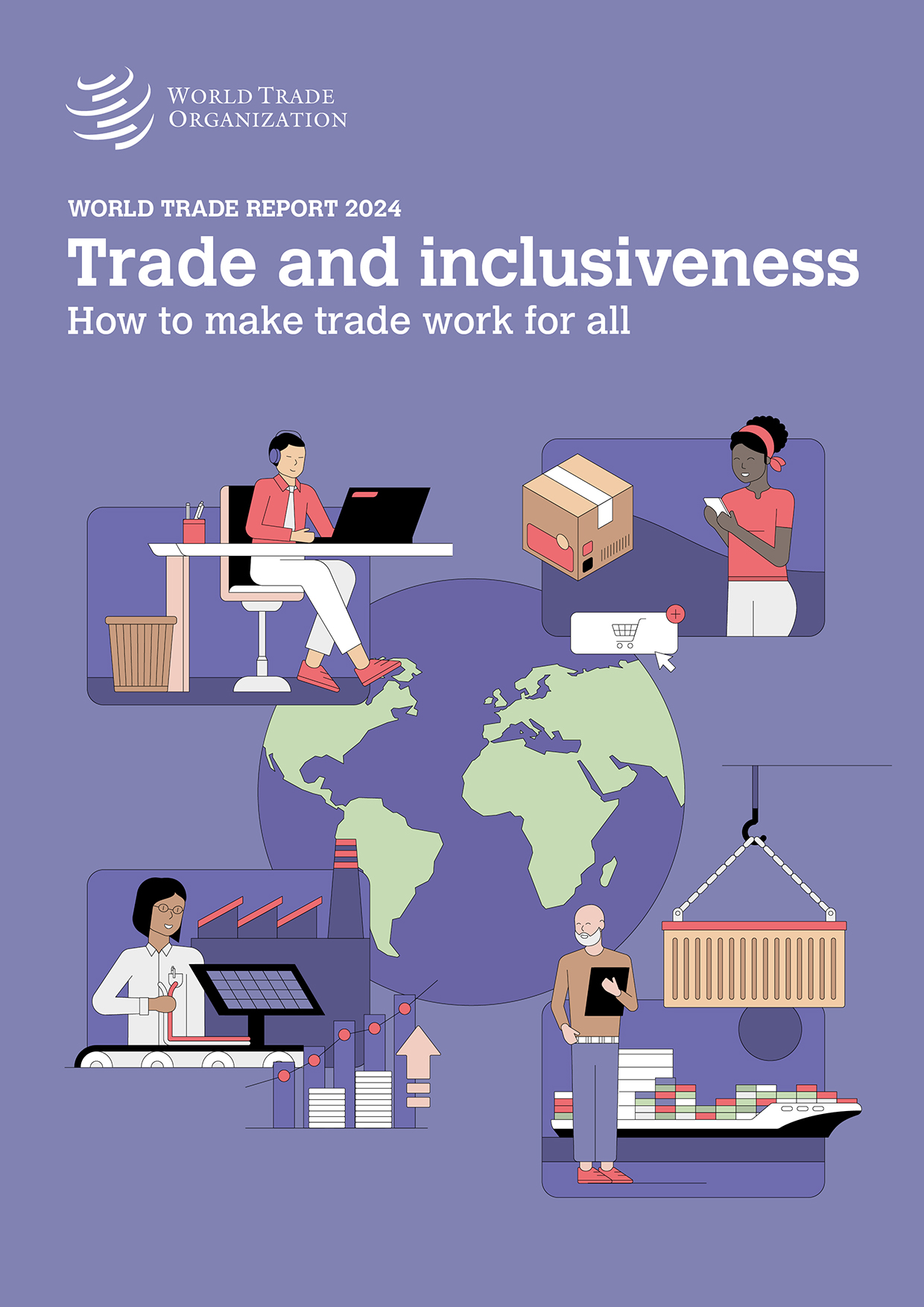
World Trade Report 2024
More LessOver the past 30 years, the world has witnessed a period of unprecedented income convergence, as the wide gap in income levels between economies has narrowed. Economic growth has improved living conditions and prospects for many people around the world. However, not all individuals, regions and economies have benefited equally from the changes brought about by more open trade. The World Trade Report 2024 explores the complex interlinkages between trade and inclusiveness across and within economies. Openness to international trade can drive economic growth, but many low- and middle-income economies struggle to diversify or to integrate into world trade. Although trade supports numerous jobs and provides access to affordable goods and services, some individuals can face challenges in adapting to new economic conditions following trade openness. However, trade protectionism neither protects the overall economy, nor promotes inclusiveness within economies. Diversifying global value chains, reducing trade costs through digitalization, and transitioning to a low-carbon economy can create new opportunities for low- and middle-income economies. Addressing remaining barriers to trade and investment, facilitating the implementation of existing WTO agreements, and ensuring that the WTO is fit for new challenges are crucial to support inclusiveness across and within economies. Furthermore, trade policies need to be complemented by domestic measures, such as labour, education and competition policies, so that the gains from trade can flow to workers and consumers, and so that those individuals can move to benefit from those gains. WTO cooperation with other international organizations can magnify combined action on inclusiveness across and within economies.
-
-
-
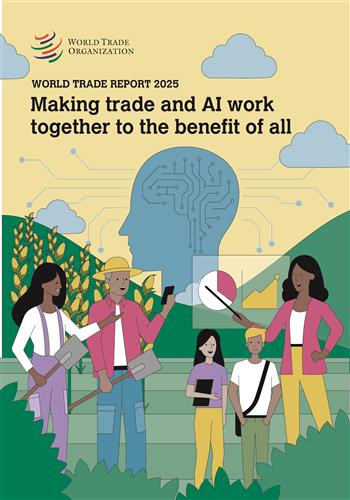
World Trade Report 2025
How trade and AI can contribute to inclusive growth
More LessArtificial intelligence (AI) has the potential to lead to a new era of growth. By transforming how goods and services are produced, exchanged and consumed, AI can bring about substantial changes in the global economy. Yet the future trajectory of AI remains uncertain, raising critical questions about trade and inclusive growth. The World Trade Report 2025 explores the complex and fast-evolving relationship between AI and international trade and how this relationship can shape inclusive growth. AI offers new opportunities to reduce trade costs, boost productivity and expand access to global markets. In addition, trade can help to render AI more accessible by spreading knowledge, fostering innovation and promoting participation in AI value chains. However, unequal access across the world to digital infrastructure, appropriate skills and capabilities could increase the digital divide. Also, the impact of AI on the labour market presents additional challenges. Whether AI-enabled trade translates into broad-based, inclusive growth will depend on the design and implementation of trade and trade-related policies. WTO rules on trade in goods, services, data, intellectual property and public procurement can shape the availability, affordability and diffusion of AI. Complementary policies regulating competition, data infrastructure, energy, education and government support can also help to determine whether and how economies benefit from AI-enabled trade. The WTO can play a central role in ensuring that AI supports more inclusive trade-led growth by administering WTO rules, by fostering dialogue, transparency and capacity-building, and by deepening collaboration on AI and digital trade with other international organizations.
-
-
-
World Trade Statistical Review
More LessThe "World Trade Statistical Review" series provides a detailed analysis of the latest developments in world trade. It will be produced on an annual basis and replaces the series "International Trade Statistics", the WTO's former annual statistical publication.
-
-
-
World Trade Statistical Review 2022
More Less“World Trade Statistical Review” looks into the latest trends in global trade, with in-depth analysis of what is being traded and who the key players are. Analytical chapters are complemented by over 65 tables providing a detailed breakdown of the goods and services being traded and the leading exporters/importers.
-
-
-
World Trade Statistical Review 2023
More Less“World Trade Statistical Review” looks into the latest trends in global trade, with in-depth analysis of what is being traded and who the key players are. Analytical chapters are complemented by over 65 tables providing a detailed breakdown of the goods and services being traded and the leading exporters/importers.
-
-
-
¿Pueden las cadenas de bloques revolucionar el comercio internacional?
More LessEl progreso tecnológico siempre ha condicionado el comercio. En los últimos años, muchos observadores han saludado la aparición de una nueva tecnología, las cadenas de bloques, como el nuevo factor que transformará de manera radical el panorama comercial. ¿Pueden las cadenas de bloques revolucionar el comercio internacional? El objetivo de la presente publicación es desmitificar el fenómeno de las cadenas de bloques aportando una explicación básica de esta tecnología. En el documento se analiza la importancia que tiene esta tecnología para el comercio internacional, indicando cómo se utiliza en la actualidad y cómo podría llegar a utilizarse en diversas esferas abarcadas por las normas de la OMC. Del análisis se desprende en qué medida podría la adopción de esta tecnología afectar al comercio transfronterizo de mercancías y servicios y a los derechos de propiedad intelectual. El documento examina las posibilidades que ofrecen las cadenas de bloques para reducir los costes del comercio y mejorar la transparencia en las cadenas de suministro, así como las oportunidades que brinda a los pequeños productores y las pequeñas empresas. Por último, el documento repasa los distintos retos que es necesario superar para que la tecnología pueda utilizarse a gran escala e incidir de manera significativa en el comercio internacional.
-
-
-
Annual Report 1998
More LessThe Annual report of the WTO focuses on the regular activities of the organization, the details of its current structure, staff and budget. The Annual report is published in the first half of each year.
-
-
-
Arbitration Reports
More LessArbitration reports determine the reasonable period of time for a WTO member to comply with the recommendations and rulings of the Dispute Settlement Body and the level of retaliation that a WTO member may undertake in situations where a WTO member has not complied within the prescribed time.
-
-
-
Examen Estadístico del Comercio Mundial 2016
More LessEl Examen estadístico del comercio mundial ofrece un análisis detallado de la evolución reciente del comercio mundial. Este informe se elaborará con carácter anual y reemplaza la anterior publicación estadística anual de la OMC, Estadísticas del comercio internacional.
-
-
-
Examen Statistique du Commerce Mondial 2016
More LessL'Examen statistique du commerce mondial présente une analyse détaillée de l'évolution la plus récente du commerce mondial. Il paraîtra tous les ans et remplace les “Statistiques du commerce international”, la publication statistique annuelle précédente de l'OMC.
-
-
-
Informe Anual 1998
More LessEl Informe anual de la OMC se centra en las actividades ordinarias de la organización y los detalles de su estructura, personal y presupuesto actuales.
-
-
-
Informe sobre el Comercio Mundial 2003
More LessEl tema principal del Informe sobre el Comercio Mundial 2003 es el desarrollo. Al explicar el origen de esta cuestión y ofrecer un marco analítico para abordar la cuestión de la relación entre comercio y desarrollo, se pretende que el Informe contribuya a un debate más informado y a una mejor apreciación de las distintas opciones disponibles para abordar los problemas de política.
-
-
-
Informes de Arbitraje
More LessLos Informes de arbitraje determinan el período de tiempo razonable para que un miembro de la OMC cumpla con las recomendaciones y resoluciones del Órgano de Solución de Diferencias y el nivel de represalias que un miembro de la OMC puede asumir en situaciones en las que un miembro de la OMC no ha cumplido dentro del tiempo establecido.
-
-
-
International Trade Statistics 2003
More LessThe International Trade Statistics 2003 contains up-to-date statistics on trade in merchandise and commercial services for an assessment of world trade flows by country, region and main product groups or service categories.
-
-
-
Overview of Developments in the International Trading Environment - Annual Report by the Director-General (2009)
October 2008 to October 2009
More LessLamy calls for exit strategies on temporary trade restrictions and subsidies: Director-General Pascal Lamy, in his annual report on trade and trade-related developments in 2009, said that “although there have been instances of slippage, in general terms the world economy is about as open for trade today as it was before the crisis started.” He called on members “to devise and announce exit strategies to remove trade restrictions and production subsidies that they have introduced temporarily to counteract the effects of the crisis, and start implementing those strategies as soon as domestic economic recovery takes hold.”
-
-
-
Rapport Annuel 1998
More LessLe Rapport annuel de l'OMC se concentre sur les activités régulières de l'organisation et détaille sa structure actuelle, incluant le personnel et le budget.
-