


WTO
WTO351 - 400 of 944 results
-
-
Trade Policy Review: Madagascar 2025
More Less“Trade Policy Reviews” analyse the trade policies and practices of each member of the WTO. The reviews consist of three parts: an independent report by the WTO Secretariat, a report by the government, and the concluding remarks by the Chair of the WTO’s Trade Policy Review Body. The opening section - “key trade facts” - provides a visual overview of the WTO member’s major exports/imports, main export destinations, origins for its imports and other key data. This edition looks into the trade practices of Madagascar.
-
-
-
Trade Policy Review: Malawi 2024
More LessThe fourth review of the trade policies and practices of Malawi takes place on 9 and 11 October 2024. The basis for the review is a report by the WTO Secretariat and a report by the Government of Malawi.
-
-
-
Trade Policy Review: Maldives 2024
More LessThe fourth review of the trade policies and practices of the Maldives takes place on 23 and 25 October 2024. The basis for the review is a report by the WTO Secretariat and a report by the Government of the Maldives.
-
-
-
Trade Policy Review: Mauritius 2021
More Less“Trade Policy Reviews" analyse the trade policies and practices of each member of the WTO. The reviews consist of three parts: an independent report by the WTO Secretariat, a report by the government, and the concluding remarks by the Chair of the WTO’s Trade Policy Review Body. The opening section - "key trade facts" - provides a visual overview of the WTO member's major exports/imports, main export destinations, origins for its imports and other key data. This edition looks into the trade practices of Mauritus.
-
-
-
Trade Policy Review: Mexico 2022
More Less“Trade Policy Reviews” analyse the trade policies and practices of each member of the WTO. The reviews consist of three parts: an independent report by the WTO Secretariat, a report by the government, and the concluding remarks by the Chair of the WTO’s Trade Policy Review Body. The opening section - “key trade facts” - provides a visual overview of the WTO member's major exports/imports, main export destinations, origins for its imports and other key data. This edition looks into the trade practices of Mexico.
-
-
-
Trade Policy Review: Moldova, Republic of, 2022
More Less“Trade Policy Reviews" analyse the trade policies and practices of each member of the WTO. The reviews consist of three parts: an independent report by the WTO Secretariat, a report by the government, and the concluding remarks by the Chair of the WTO’s Trade Policy Review Body. The opening section - "key trade facts" - provides a visual overview of the WTO member's major exports/imports, main export destinations, origins for its imports and other key data. This edition looks into the trade practices of Moldova.
-
-
-
Trade Policy Review: Mongolia 2021
More Less“Trade Policy Reviews" analyse the trade policies and practices of each member of the WTO. The reviews consist of three parts: an independent report by the WTO Secretariat, a report by the government, and the concluding remarks by the Chair of the WTO’s Trade Policy Review Body. The opening section - "key trade facts" - provides a visual overview of the WTO member's major exports/imports, main export destinations, origins for its imports and other key data. This edition looks into the trade practices of Mongolia.
-
-
-
Trade Policy Review: Morocco 2024
More LessThe sixth review of the trade policies and practices of Morocco takes place on 22 and 24 April 2024. The basis for the review is a report by the WTO Secretariat and a report by the Government of Morocco.
-
-
-
Trade Policy Review: Mozambique 2024
More LessThe fourth review of the trade policies and practices of Mozambique takes place on 1 and 3 July 2024. The basis for the review is a report by the WTO Secretariat and a report by the Government of Mozambique.
-
-
-
Trade Policy Review: Myanmar 2021
More Less“Trade Policy Reviews" analyse the trade policies and practices of each member of the WTO. The reviews consist of three parts: an independent report by the WTO Secretariat, a report by the government, and the concluding remarks by the Chair of the WTO’s Trade Policy Review Body. The opening section - "key trade facts" - provides a visual overview of the WTO member's major exports/imports, main export destinations, origins for its imports and other key data. This edition looks into the trade practices of Myanmar.
-
-
-
Trade Policy Review: Nepal 2025
More LessThe Third review of the trade policies and practices of Nepal takes place on 17 and 19 November 2025. The basis for the review is a report by the WTO Secretariat and a report by the Government of Nepal.
-
-
-
Trade Policy Review: New Zealand 2022
More Less“Trade Policy Reviews" analyse the trade policies and practices of each member of the WTO. The reviews consist of three parts: an independent report by the WTO Secretariat, a report by the government, and the concluding remarks by the Chair of the WTO’s Trade Policy Review Body. The opening section - "key trade facts" - provides a visual overview of the WTO member's major exports/imports, main export destinations, origins for its imports and other key data. This edition looks into the trade practices of New Zealand.
-
-
-
Trade Policy Review: Nicaragua 2021
More Less“Trade Policy Reviews" analyse the trade policies and practices of each member of the WTO. The reviews consist of three parts: an independent report by the WTO Secretariat, a report by the government, and the concluding remarks by the Chair of the WTO’s Trade Policy Review Body. The opening section - "key trade facts" - provides a visual overview of the WTO member's major exports/imports, main export destinations, origins for its imports and other key data. This edition looks into the trade practices of Nicaragua.
-
-
-
Trade Policy Review: Norway 2025
More Less“Trade Policy Reviews” analyse the trade policies and practices of each member of the WTO. The reviews consist of three parts: an independent report by the WTO Secretariat, a report by the government, and the concluding remarks by the Chair of the WTO’s Trade Policy Review Body. The opening section - “key trade facts” - provides a visual overview of the WTO member’s major exports/imports, main export destinations, origins for its imports and other key data. This edition looks into the trade practices of Norway.
-
-
-
Trade Policy Review: Oman 2021
More Less“Trade Policy Reviews" analyse the trade policies and practices of each member of the WTO. The reviews consist of three parts: an independent report by the WTO Secretariat, a report by the government, and the concluding remarks by the Chair of the WTO’s Trade Policy Review Body. The opening section - "key trade facts" - provides a visual overview of the WTO member's major exports/imports, main export destinations, origins for its imports and other key data. This edition looks into the trade practices of Oman.
-
-
-
Trade Policy Review: Pakistan 2022
More Less“Trade Policy Reviews" analyse the trade policies and practices of each member of the WTO. The reviews consist of three parts: an independent report by the WTO Secretariat, a report by the government, and the concluding remarks by the Chair of the WTO’s Trade Policy Review Body. The opening section - "key trade facts" - provides a visual overview of the WTO member's major exports/imports, main export destinations, origins for its imports and other key data. This edition looks into the trade practices of Pakistan.
-
-
-
Trade Policy Review: Panama 2022
More Less“Trade Policy Reviews" analyse the trade policies and practices of each member of the WTO. The reviews consist of three parts: an independent report by the WTO Secretariat, a report by the government, and the concluding remarks by the Chair of the WTO’s Trade Policy Review Body. The opening section - "key trade facts" - provides a visual overview of the WTO member's major exports/imports, main export destinations, origins for its imports and other key data. This edition looks into the trade practices of Panama.
-
-
-
Trade Policy Review: Papua New Guinea 2026
More LessThe fourth review of the trade policies and practices of Papua New Guinea takes place on 11 and 13 February 2026. The basis for the review is a report by the WTO Secretariat and a report by the Government of Papua New Guinea.
-
-
-
Trade Policy Review: Paraguay 2024
More LessThe fifth review of the trade policies and practices of Paraguay takes place on 20 and 22 November 2024. The basis for the review is a report by the WTO Secretariat and a report by the Government of Paraguay.
-
-
-
Trade Policy Review: Qatar 2021
More Less“Trade Policy Reviews" analyse the trade policies and practices of each member of the WTO. The reviews consist of three parts: an independent report by the WTO Secretariat, a report by the government, and the concluding remarks by the Chair of the WTO’s Trade Policy Review Body. The opening section - "key trade facts" - provides a visual overview of the WTO member's major exports/imports, main export destinations, origins for its imports and other key data. This edition looks into the trade practices of Qatar.
-
-
-
Trade Policy Review: Russian Federation 2021
More Less“Trade Policy Reviews" analyse the trade policies and practices of each member of the WTO. The reviews consist of three parts: an independent report by the WTO Secretariat, a report by the government, and the concluding remarks by the Chair of the WTO’s Trade Policy Review Body. The opening section - "key trade facts" - provides a visual overview of the WTO member's major exports/imports, main export destinations, origins for its imports and other key data. This edition looks into the trade practices of Russian Federation.
-
-
-
Trade Policy Review: Seychelles 2022
More Less“Trade Policy Reviews" analyse the trade policies and practices of each member of the WTO. The reviews consist of three parts: an independent report by the WTO Secretariat, a report by the government, and the concluding remarks by the Chair of the WTO’s Trade Policy Review Body. The opening section - "key trade facts" - provides a visual overview of the WTO member's major exports/imports, main export destinations, origins for its imports and other key data. This edition looks into the trade practices of Seychelles.
-
-
-
Trade Policy Review: Sierra Leone 2025
More Less“Trade Policy Reviews” analyse the trade policies and practices of each member of the WTO. The reviews consist of three parts: an independent report by the WTO Secretariat, a report by the government, and the concluding remarks by the Chair of the WTO’s Trade Policy Review Body. The opening section - “key trade facts” - provides a visual overview of the WTO member’s major exports/imports, main export destinations, origins for its imports and other key data. This edition looks into the trade practices of Sierra Leone.
-
-
-
Trade Policy Review: Singapore 2021
More Less“Trade Policy Reviews" analyse the trade policies and practices of each member of the WTO. The reviews consist of three parts: an independent report by the WTO Secretariat, a report by the government, and the concluding remarks by the Chair of the WTO’s Trade Policy Review Body. The opening section - "key trade facts" - provides a visual overview of the WTO member's major exports/imports, main export destinations, origins for its imports and other key data. This edition looks into the trade practices of Singapore.
-
-
-
Trade Policy Review: Solomon Islands 2024
More LessThe fourth review of the trade policies and practices of the Solomon Islands takes place on 11 and 13 December 2024. The basis for the review is a report by the WTO Secretariat and a report by the Government of the Solomon Islands.
-
-
-
Trade Policy Review: Sri Lanka 2025
More LessThe Fifth review of the trade policies and practices of Sri Lanka takes place on 15 and 17 October 2025. The basis for the review is a report by the WTO Secretariat and a report by the Government of Sri Lanka.
-
-
-
Trade Policy Review: Switzerland and Liechtenstein 2022
More Less“Trade Policy Reviews" analyse the trade policies and practices of each member of the WTO. The reviews consist of three parts: an independent report by the WTO Secretariat, a report by the government, and the concluding remarks by the Chair of the WTO’s Trade Policy Review Body. The opening section - "key trade facts" - provides a visual overview of the WTO member's major exports/imports, main export destinations, origins for its imports and other key data. This edition looks into the trade practices of Switzerland and Liechtenstein.
-
-
-
Trade Policy Review: Tajikistan 2021
More Less“Trade Policy Reviews" analyse the trade policies and practices of each member of the WTO. The reviews consist of three parts: an independent report by the WTO Secretariat, a report by the government, and the concluding remarks by the Chair of the WTO’s Trade Policy Review Body. The opening section - "key trade facts" - provides a visual overview of the WTO member's major exports/imports, main export destinations, origins for its imports and other key data. This edition looks into the trade practices of Tajikistan.
-
-
-
Trade Policy Review: Thailand 2025
More LessThe ninth review of the trade policies and practices of Thailand takes place on 1 and 3 December 2025. The basis for the review is a report by the WTO Secretariat and a report by the Government of Thailand.
-
-
-
Trade Policy Review: Tonga 2021
More Less“Trade Policy Reviews" analyse the trade policies and practices of each member of the WTO. The reviews consist of three parts: an independent report by the WTO Secretariat, a report by the government, and the concluding remarks by the Chair of the WTO’s Trade Policy Review Body. The opening section - "key trade facts" - provides a visual overview of the WTO member's major exports/imports, main export destinations, origins for its imports and other key data. This edition looks into the trade practices of Tonga.
-
-
-
Trade Policy Review: Tunisia 2025
More LessThe fourth review of the trade policies and practices of Tunisia takes place on 25 and 27 November 2025. The basis for the review is a report by the WTO Secretariat and a report by the Government of Tunisia.
-
-
-
Trade Policy Review: United Arab Emirates 2022
More Less“Trade Policy Reviews" analyse the trade policies and practices of each member of the WTO. The reviews consist of three parts: an independent report by the WTO Secretariat, a report by the government, and the concluding remarks by the Chair of the WTO’s Trade Policy Review Body. The opening section - "key trade facts" - provides a visual overview of the WTO member's major exports/imports, main export destinations, origins for its imports and other key data. This edition looks into the trade practices of the United Arab Emirates.
-
-
-
Trade Policy Review: United Kingdom 2025
More LessThe First review of the trade policies and practices of the United Kingdom takes place on 28 and 30 October 2025. The basis for the review is a report by the WTO Secretariat and a report by the Government of the United Kingdom.
-
-
-
Trade Policy Review: United States of America 2022
More Less“Trade Policy Reviews" analyse the trade policies and practices of each member of the WTO. The reviews consist of three parts: an independent report by the WTO Secretariat, a report by the government, and the concluding remarks by the Chair of the WTO’s Trade Policy Review Body. The opening section - "key trade facts" - provides a visual overview of the WTO member’s major exports/imports, main export destinations, origins for its imports and other key data. This edition looks into the trade practices of the United States of America.
-
-
-
Trade Policy Review: Vanuatu 2025
More LessThe second review of the trade policies and practices of Vanuatu takes place on 10 and 12 December 2025. The basis for the review is a report by the WTO Secretariat and a report by the Government of Vanuatu.
-
-
-
Trade Policy Review: Viet Nam 2021
More Less“Trade Policy Reviews" analyse the trade policies and practices of each member of the WTO. The reviews consist of three parts: an independent report by the WTO Secretariat, a report by the government, and the concluding remarks by the Chair of the WTO’s Trade Policy Review Body. The opening section - "key trade facts" - provides a visual overview of the WTO member's major exports/imports, main export destinations, origins for its imports and other key data. This edition looks into the trade practices of Viet Nam.
-
-
-
Trade Policy Review: Zambia 2025
More LessThe fifth review of the trade policies and practices of Zambia takes place on 23 and 25 September 2025. The basis for the review is a report by the WTO Secretariat and a report by the Government of Zambia.
-
-
-

Trade Policy Reviews
More LessMonitoring of national trade policies is a fundamentally important activity running throughout the work of the WTO. At the centre of this work is the Trade Policy Review Mechanism (TPRM). All WTO members are reviewed, the frequency of each member’s review varying according to its share of world trade. For each review, two documents are prepared: a policy statement by the government under review, and a detailed report written independently by the WTO Secretariat. These two reports, together with the conclusions of the Chair of the Trade Policy Review Body, are published shortly after the meeting.
-
-
-
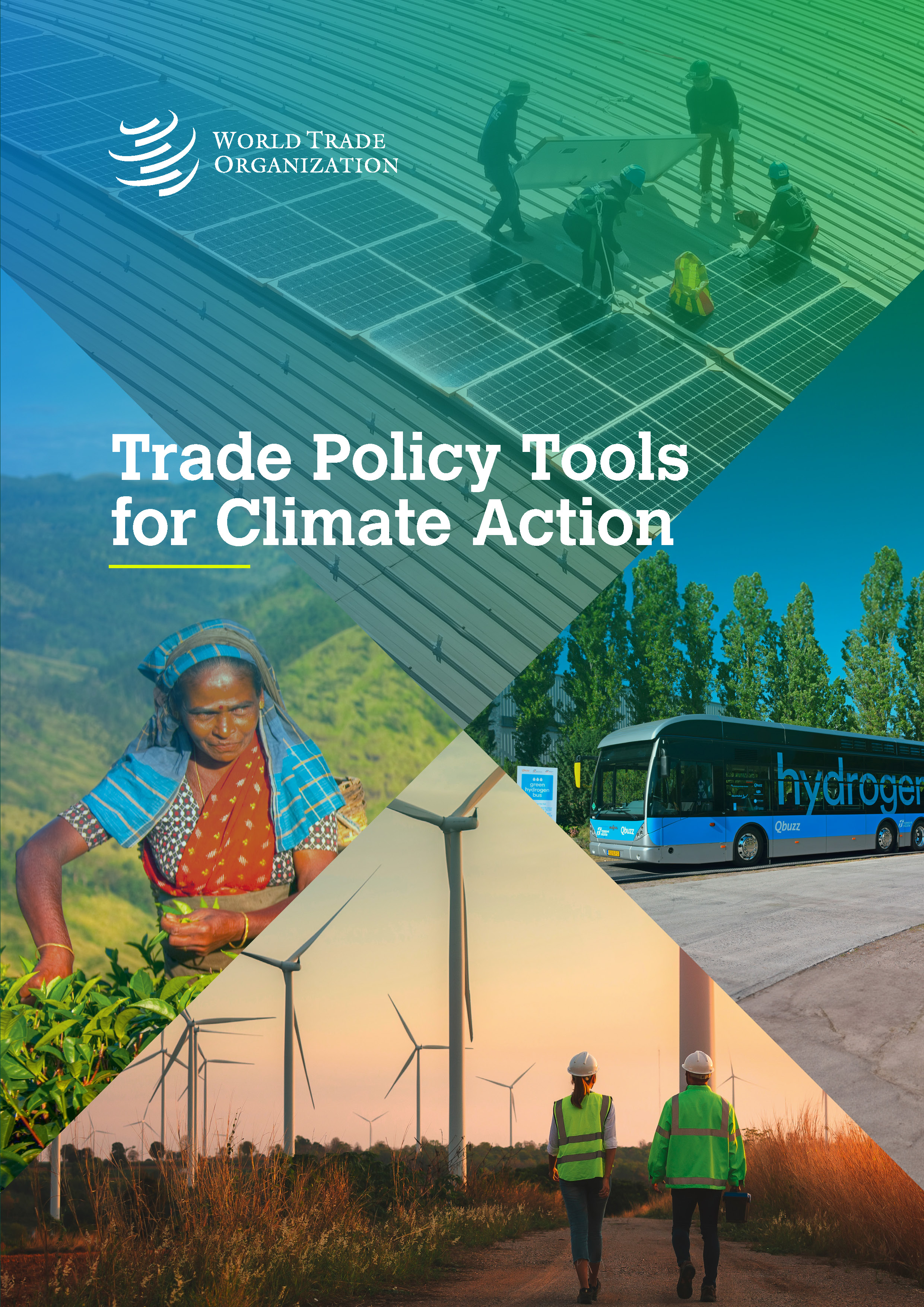
Trade Policy Tools for Climate Action
More LessTrade Policy Tools for Climate Action, a publication by the WTO Secretariat, looks into the trade policies that governments could consider as part of their strategies for climate change mitigation and adaptation. The publication covers ten policy areas where governments have introduced measures to support the transition to a low-carbon economy, improve the flow of climate-friendly goods and services, decarbonize supply chains, and build resilience to extreme weather events and climate change. Launched at COP28, the publication is intended to shed light on how trade policy actions for climate could accelerate the transition to a climate-friendly global economy as part of the WTO Secretariat’s efforts to encourage the full use of the power of trade to deliver on collective sustainable development objectives, including those in relation to the climate crisis.
-
-
-
Trade Profiles
More Less"Trade Profiles" provides two-pages snapshots of the most relevant indicators on merchandise trade, services and intellectual property for over 200 economies, including all WTO members.
-
-
-
Trade Profiles
More LessThe Trade Profiles provide standard information on the structural trade situation and trade policy measures of members, observers and other selected economies. The profiles are complemented with general macroeconomic indicators.
-
-
-
Trade Profiles 2021
More LessTrade Profiles 2021 provides a series of key indicators on trade in goods and services for 197 economies. For merchandise trade, major exports and imports are listed for both agricultural and non-agricultural products as well as major origins and destinations for total merchandise trade. For trade in services, a detailed breakdown is provided for transport, travel and other commercial services. Statistics on intellectual property are also provided. The information is available for all WTO members and observers and for other selected economies. For each economy, the data is presented in a handy two-page format, providing a concise overview of global trade. The publication is an invaluable reference tool for anyone looking for essential trade statistics.
-
-
-
Trade Profiles 2022
More LessTrade Profiles 2022 provides a series of key indicators on trade in goods and services for 197 economies. For merchandise trade, major exports and imports are listed for both agricultural and non-agricultural products as well as major origins and destinations for total merchandise trade. For trade in services, a detailed breakdown is provided for transport, travel and other commercial services. Statistics on intellectual property are also provided. The information is available for all WTO members and observers and for other selected economies. For each economy, the data is presented in a handy twopage format, providing a concise overview of global trade. The publication is an invaluable reference tool for anyone looking for essential trade statistics.
-
-
-
Trade Profiles 2023
More LessTrade Profiles 2023 provides a series of key indicators on trade in goods and services for 197 economies. For merchandise trade, major exports and imports are listed for both agricultural and non-agricultural products as well as major origins and destinations for total merchandise trade. For trade in services, a detailed breakdown is provided for transport, travel and other commercial services. Statistics on intellectual property are also provided. The information is available for all WTO members and observers and for other selected economies. For each economy, the data is presented in a handy two page format, providing a concise overview of global trade. The publication is an invaluable reference tool for anyone looking for essential trade statistics.
-
-
-
Trade and Climate Change
WTO-UNEP Report
More LessWhat do we know about climate change? What is the relationship between trade and climate change? How does trade affect greenhouse gas emissions and can more open trade help to address climate change? What is the range of national measures that can contribute to global mitigation efforts? These are just some of the questions discussed by this report by the World Trade Organization and the United Nations Environment Programme.
-
-
-
Trade and Employment
Challenges for Policy Research
More LessOn the basis of an overview of the existing academic economic literature, the study provides an impartial view of what can be said, and with what degree of confidence, on the relationship between trade and employment, an often contentious issue of public debate. Its focus is on the connections between trade policies, and labour and social policies and it will be useful to all those who are interested in this debate: academics and policy-makers, workers and employers, trade and labour specialists.
-
-
-
Trade and Environment at the WTO
More LessDeveloped to assist public understanding of the trade and environment debate in the WTO, this document briefly presents its history and focuses on trade and environment related issues within the Doha mandate, the effects of trade liberalization on the environment, the relationship between multilateral environmental agreements and the WTO, and a review of trade disputes involving environmental issues.
-
-
-
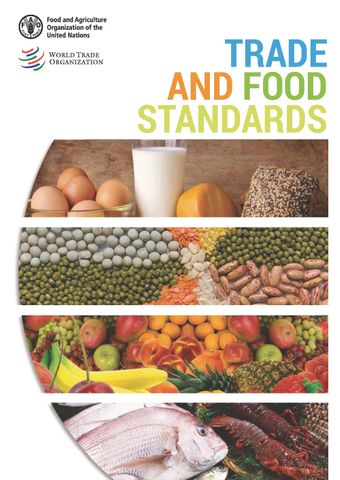
Trade and Food Standards
More LessCo-published by the World Trade Organization (WTO) and the Food and Agriculture Organization (FAO)
-
-
-
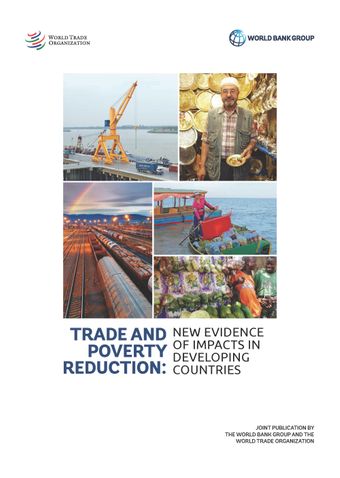
Trade and Poverty Reduction
New Evidence of Impacts in Developing Countries
More LessGlobal trade has contributed strongly to reducing poverty but important challenges remain in making trade work for the poorest. This publication presents eight case studies to reveal how trade can help to reduce poverty in developing countries. It focuses on four constraints faced by the extremely poor – namely that they tend to live in rural areas, work in the informal sector, live in fragile and conflict-affected regions and face gender inequality. The case studies identify ways to overcome these constraints, including through the adoption of policies that maximize the contribution of trade to poverty reduction. The studies also highlight the ongoing gaps in data and research that constrain policy-making. The publication is a follow-up to The Role of Trade in Ending Poverty, co-published by the WTO and the World Bank in 2015, which examined the challenges the poor face in benefiting from trade opportunities. The country-specific approach of this new publication complements the global perspective of the previous report.
-
-
-
Trade and Poverty Reduction in the Asia-Pacific Region
More LessThis book explores the complex relationship between international trade and poverty reduction through a combination of research papers and contemporary case studies. Written mainly by developing-country authors in consultation with local businesses and communities, the case studies contribute to our understanding of the ways in which low-income communities are dealing with trade as a practical challenge, especially in the Asia-Pacific region where approximately two-thirds of the world’s poor live. While making it clear that there is no ‘one size fits all’ formula, the research and stories highlight a number of necessary preconditions, such as political commitment and cooperation at all levels, if trade is to successfully reduce poverty. Openness to trade, serious commitment to domestic reform, trade-related capacity building, a robust and responsible private sector and access to the markets of developed countries are all identified as powerful tools for building trade-related sustainable development.
-